Makkah Entertainment Complex: Advancing Construction with BIM
April 8, 2024
Overview
The Makkah Entertainment Complex spans 80,000 square meters and is strategically located in the Al Abidiyah district on Taif Road, near Umm Al Qura University. This project utilizes Building Information Modeling (BIM) throughout the design and construction stages, enabling seamless integration across disciplines. By incorporating advanced BIM techniques, the project ensures precise planning, enhanced design visualization, and real-time updates, ultimately minimizing risks and cost overruns.
Key Features
Full BIM Implementation: Applied throughout all design and construction phases for improved coordination and efficiency.
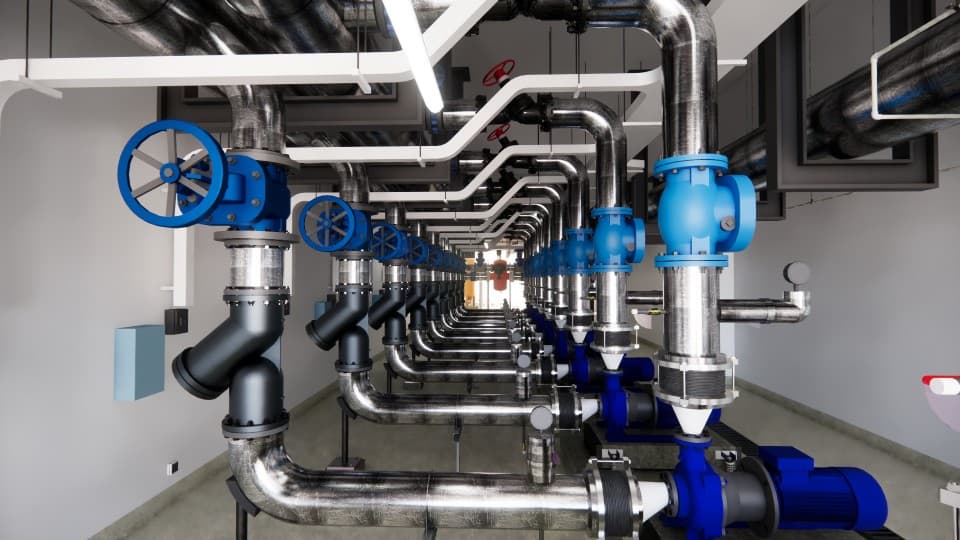
Collaborative 3D Modeling: Integrated architecture, structural, and MEP disciplines in a unified digital environment.
Clash Detection: Utilized to identify and resolve design conflicts before construction begins.
Integration with Construction Scheduling Software: Enabled better project timeline management and execution.
Data-Rich Models: Provided comprehensive information for more effective project management and decision-making.
Technologies Used
Revit: Utilized for architectural, structural, and MEP modeling to enhance design accuracy.
Navisworks: Implemented for clash detection and interdisciplinary coordination.
BIM-360: Facilitated seamless project collaboration and data sharing among stakeholders.
AutoCAD: Used for drafting and refining design elements.
Dynamo: Applied for parametric modeling and automation in design workflows.
Challenges and Learnings
One of the main challenges was integrating BIM across multiple teams with different areas of expertise, ensuring consistent data flow across various software platforms. Additionally, overcoming resistance to new technology from traditional contractors required extensive training and collaboration. However, through effective stakeholder engagement and structured implementation, the project successfully adopted BIM methodologies, enhancing project execution.
Outcome
The adoption of BIM significantly improved collaboration and coordination among project teams, reducing rework and delays. The digital model continues to serve as a valuable resource for facilities management, optimizing future maintenance and renovation efforts.