Abha Entertainment Complex: Enhancing Efficiency with BIM
April 8, 2024
Overview
The Abha Entertainment Complex covers an area of 64,000 square meters, with a built-up area exceeding 79,000 square meters. This project utilizes Building Information Modeling (BIM) to manage the complexity of its mixed-use spaces, from entertainment zones to retail and dining areas. Through BIM integration, the project ensures real-time collaboration and accurate decision-making, improving overall efficiency and reducing costly errors.
Key Features
Full BIM Integration: Implemented across planning, design, and construction phases to enhance coordination and efficiency.
3D Visualization: Provided enhanced communication tools for stakeholders through immersive digital models.
Clash Detection and Resolution: Used to identify and address design conflicts before construction begins.
Integration with Scheduling Tools: Enabled tracking of project timelines for better workflow management.
Sustainable Design: Applied energy-efficient modeling techniques to optimize environmental impact.
Technologies Used
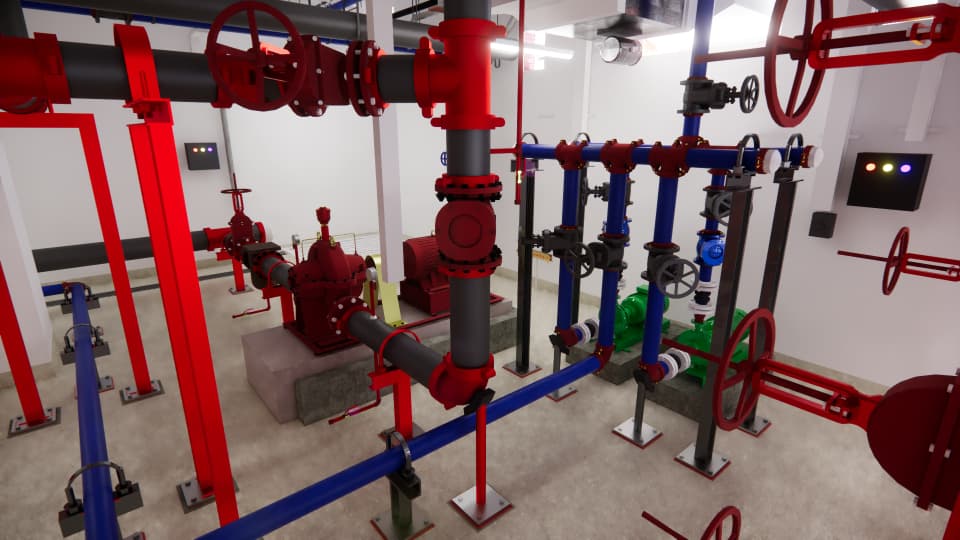
Revit: Utilized for architectural, structural, and MEP modeling to ensure precision in design.
Navisworks: Implemented for clash detection and interdisciplinary coordination.
BIM-360: Facilitated seamless collaboration and data sharing among project teams.
AutoCAD: Used for detailed design work and drafting.
Dynamo: Applied for parametric modeling and automation in design workflows.
Challenges and Learnings
Coordinating multiple teams working on different aspects of the project posed a significant challenge, requiring robust data management and workflow standardization. Handling large-scale BIM models also demanded optimized computational resources. Additionally, training staff on BIM software ensured smooth adoption and efficiency in implementation.
Outcome
The successful application of BIM improved project delivery time and reduced costs while maintaining high standards for both functionality and aesthetic appeal. The digital model continues to support post-construction operations and maintenance, ensuring long-term value and efficiency.