Madina Arts Center: A Cultural Landmark Enhanced by BIM
April 8, 2024
Overview
The Madina Arts Center (MAC) is a prominent cultural venue situated in King Fahad Park, Al Hadiqah, Madina, Kingdom of Saudi Arabia. This project focuses on integrating Building Information Modeling (BIM) to enhance the center’s operational efficiency, improve facility management, and support ongoing cultural initiatives. Through BIM-driven methodologies, the project ensures precise space planning, asset tracking, and improved renovation strategies, ultimately strengthening MAC’s role as a cultural and artistic hub.
Key Features
BIM-Driven Facility Management: Enabled digital asset tracking and optimized space utilization.
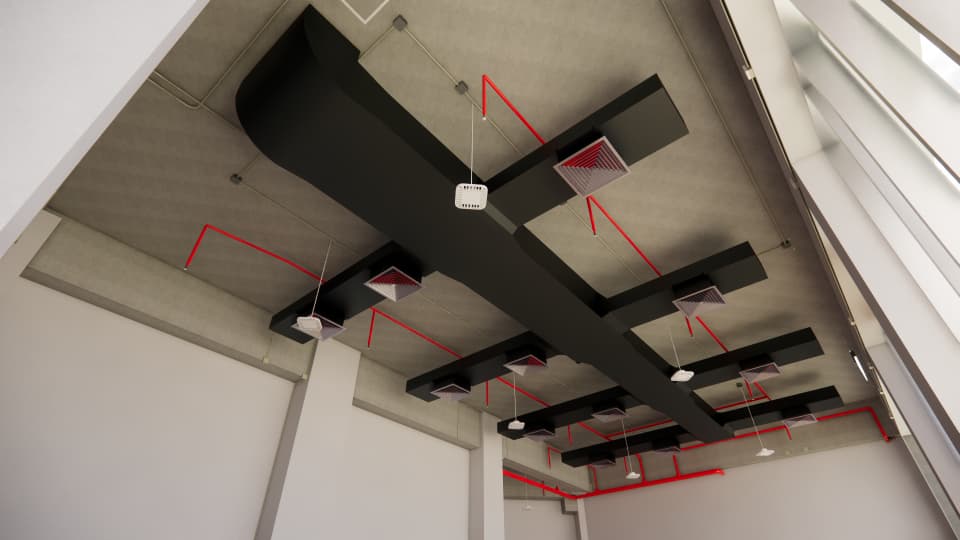
3D Modeling & Visualization: Created detailed models to support restoration, expansion, and event planning.
Historical Preservation Support: Integrated BIM with heritage conservation techniques to maintain the cultural integrity of the building.
Energy Efficiency Analysis: Implemented modeling for sustainable building practices and operational cost reduction.
Collaborative Digital Workflow: Allowed for seamless coordination between architects, engineers, and facility managers.
Technologies Used
Revit: Utilized for architectural, structural, and MEP modeling.
Navisworks: Applied for clash detection and coordination.
BIM-360: Facilitated real-time collaboration and project data management.
AutoCAD: Used for drafting and detailed design refinements.
Dynamo: Implemented for automation and parametric modeling.
Challenges and Learnings
Integrating BIM into an existing cultural facility required overcoming challenges such as digitizing legacy structures and ensuring minimal disruption to ongoing operations. Additionally, balancing technological upgrades with the preservation of MAC’s artistic and cultural heritage was a key focus. Through close collaboration with stakeholders, the project successfully adapted BIM methodologies to meet both modernization and conservation goals.
Outcome
The implementation of BIM has provided MAC with a more structured and efficient approach to facility management, ensuring sustainability and long-term usability. The digital model continues to serve as a vital tool for future renovations, energy optimization, and cultural programming enhancements.